
Sciatica Treatment in Chicago
Comprehensive Chiropractic & Wellness treats sciatica at our Lincoln Square, Chicago office. Dr. Jeffrey Haynes uses spinal adjustments, Active Release Technique, and flexion-distraction therapy to relieve sciatic nerve compression without surgery. Call (312) 658-0658 for same-day appointments.
That sharp, shooting pain down your leg isn't something you have to live with. Dr. Haynes has been treating sciatica in Lincoln Square, Chicago for over 20 years — addressing the root cause of nerve compression, not just the symptoms.
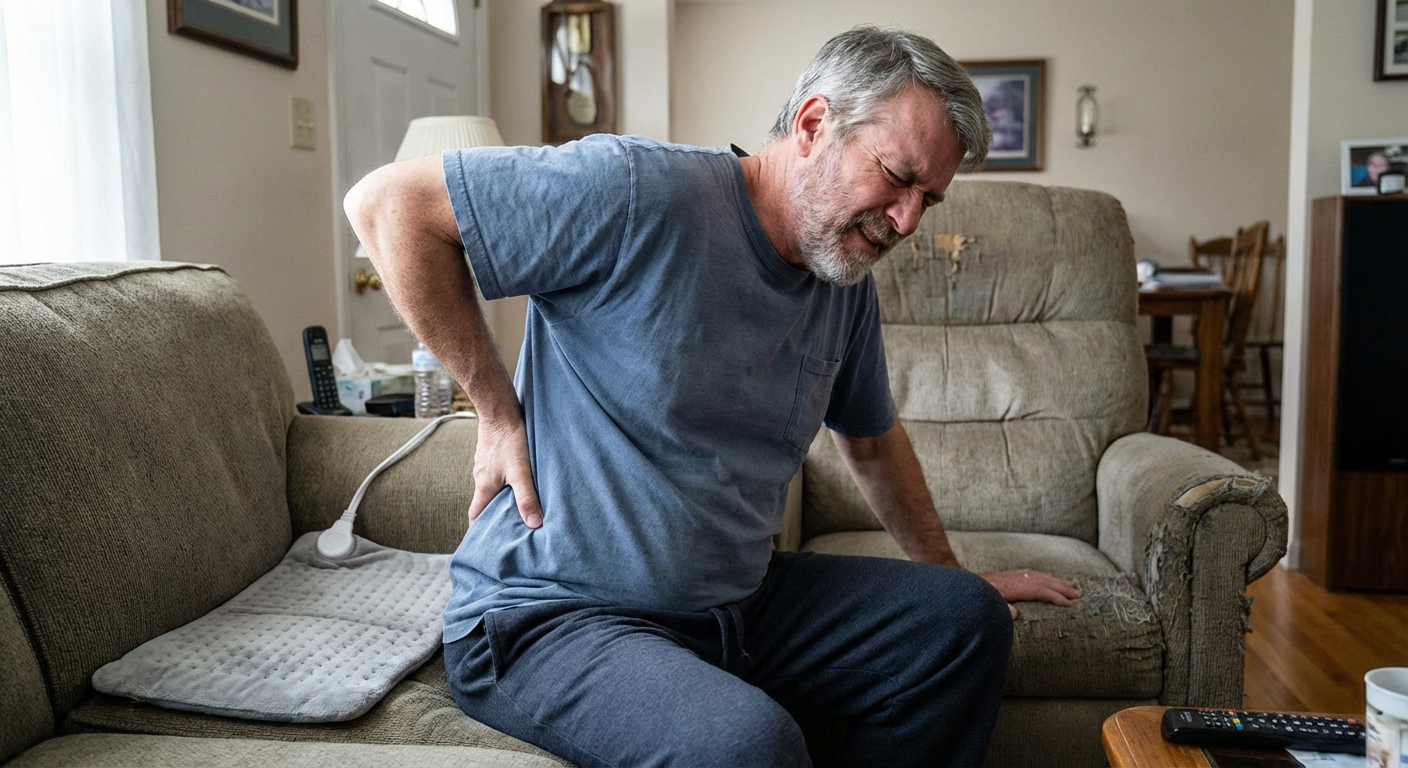
What Is Sciatica?
Sciatica is not a diagnosis — it's a symptom. It describes pain, numbness, or weakness that travels along the sciatic nerve, which runs from the lower spine through the buttock and down each leg. When something compresses or irritates this nerve, it sends signals of pain, tingling, or numbness along its entire path.
The most common source of compression is the lumbar spine — specifically, herniated discs at L4-L5 or L5-S1. But the piriformis muscle in the buttock, sacroiliac joint dysfunction, and spinal stenosis are also frequent culprits. Identifying the exact source is essential because the treatment differs for each.
At Comprehensive Chiropractic & Wellness, Dr. Haynes performs a thorough orthopedic and neurological examination before any treatment — including straight leg raise tests, dermatomal assessment, and motion analysis — to pinpoint exactly where the nerve is being compromised.
Symptoms of Sciatica
Sciatica almost always affects one side of the body. If you're experiencing any of the following, chiropractic evaluation is warranted:
Seek emergency care immediately if you experience: Loss of bowel or bladder control, numbness in the groin or inner thighs, or rapidly progressing weakness in both legs. These may indicate cauda equina syndrome, a medical emergency.
Common Causes of Sciatica
Sciatica has several distinct causes, each requiring a different treatment approach. This is why Dr. Haynes's diagnostic evaluation is the critical first step.
Herniated Lumbar Disc
The most common cause. When the soft inner material of a spinal disc bulges through its outer wall, it can press directly on the sciatic nerve root at L4-L5 or L5-S1.
Lumbar Spinal Stenosis
Narrowing of the spinal canal compresses nerve roots, often causing bilateral leg symptoms. More common in adults over 50.
Degenerative Disc Disease
As discs lose height and hydration over time, the foramen (nerve exit openings) narrow, irritating the nerve roots.
Piriformis Syndrome
The piriformis muscle in the buttock can tighten around or irritate the sciatic nerve where it exits the pelvis — often misdiagnosed as disc-related sciatica.
Spondylolisthesis
A vertebra that has slipped forward over the one below can pinch the nerve roots exiting that level.
Sacroiliac Joint Dysfunction
Abnormal movement at the SI joint can directly irritate the L5 nerve root, producing sciatica-like symptoms.
How Dr. Haynes Treats Sciatica
There's no one-size-fits-all sciatica treatment. After identifying the source of nerve compression, Dr. Haynes builds a specific treatment plan combining the most effective tools for your case.
Spinal Adjustments
Targeted manipulation at the lumbar spine and pelvis reduces nerve compression, restores joint motion, and takes pressure off the sciatic nerve root.
Active Release Technique (ART)
Dr. Haynes is ART-certified with 20+ years of experience. ART releases piriformis and other hip rotator adhesions that may be entrapping the sciatic nerve.
Flexion-Distraction Therapy
A gentle, pumping motion applied to the lumbar discs reduces intradiscal pressure, pulls disc material away from the nerve, and improves disc nutrition.
Therapeutic Exercise
Targeted core stabilization and nerve-flossing exercises accelerate healing, prevent recurrence, and restore full function.
What to Expect at Your First Visit
Your first visit begins with a comprehensive health history and orthopedic examination — including specific sciatica tests to identify which nerve root is affected and where the compression originates. Dr. Haynes will explain your diagnosis clearly and outline a realistic treatment plan before any hands-on care begins.
Recovery Timelines for Sciatica
Recovery depends on the cause, severity, and duration of your sciatica. Here's what most patients experience with consistent chiropractic care:
| Condition | Expected Timeline | What to Expect |
|---|---|---|
| Mild sciatica (disc irritation only) | 2–4 weeks | Nerve irritation without significant compression often resolves quickly with adjustments and movement modification. |
| Moderate sciatica (herniated disc) | 4–8 weeks | Consistent treatment produces progressive symptom reduction. Leg pain typically improves before back pain resolves. |
| Severe sciatica (significant compression) | 8–12 weeks | More aggressive nerve compression requires patience. Neurological symptoms (weakness, numbness) may take longer than pain to resolve. |
| Piriformis syndrome | 3–6 weeks | ART-based treatment for piriformis-related sciatica often resolves faster than disc-based cases once properly diagnosed. |
| Chronic sciatica (3+ months) | 8–16 weeks | Long-standing cases with sensitized nerves require gradual desensitization along with mechanical correction. |
Self-Care Between Visits
What you do between appointments matters as much as treatment itself. These evidence-based strategies support your recovery and reduce flare-up frequency.
Walk daily
Gentle walking is one of the best things for sciatica. It pumps nutrients into the discs, reduces nerve irritability, and prevents the deconditioning that worsens sciatic pain.
Nerve flossing exercises
Gentle sciatic nerve mobilization exercises (ankle pumps with leg extended, seated neural tension) reduce nerve adhesions and desensitize the nerve path.
Side-lying sleep position
Sleep on your pain-free side with a pillow between your knees to reduce lumbar and SI joint stress. Avoid sleeping on your stomach, which hyperextends the lumbar spine.
Avoid prolonged sitting
Sitting increases disc pressure by up to 40% over standing. If you must sit, get up and walk for 2–3 minutes every 30–45 minutes. Use a lumbar support cushion.
Ice/heat protocol
For acute flare-ups, ice the lower back and buttock for 15–20 minutes. Once acute inflammation subsides (48–72 hours), moist heat helps relax piriformis and paraspinal muscles.
Lift correctly every time
Never bend at the waist to pick things up. Squat down, keep the object close to your body, engage your core, and lift with your legs. A single bad lift can trigger a severe flare-up.
Why Choose Comprehensive Chiropractic for Sciatica?
20+ Years of Experience
Dr. Haynes has treated thousands of sciatica cases. He recognizes the patterns that others miss — including piriformis syndrome misdiagnosed as disc herniation.
ART-Certified
Active Release Technique certification is critical for piriformis-related sciatica that doesn't respond to adjustments alone. Dr. Haynes is one of few certified ART providers in Lincoln Square.
Lincoln Square Location
Conveniently located at 4526 N. Lincoln Ave, serving Lincoln Square, Ravenswood, North Center, and surrounding neighborhoods.
Frequently Asked Questions About Sciatica
Serving Chicago's North Side
Our Lincoln Square office is conveniently accessible from neighborhoods throughout Chicago's north side. Same-day appointments are often available.
Lincoln Square
Home to our office at 4526 N. Lincoln Ave. Walk-in consultations welcome.
North Center
Just minutes away via Lincoln Ave or Western Ave.
Ravenswood
A short drive or bus ride from the Ravenswood corridor.
Lakeview
Convenient via Ashland Ave or the Brown Line to Western.
Andersonville
Quick trip south on Clark St or Lincoln Ave.
Related Services
Sciatica treatment at Comprehensive Chiropractic & Wellness draws on multiple disciplines for the best outcomes:
Chiropractic Adjustments
Precise lumbar and pelvic adjustments to decompress the sciatic nerve root.
Spinal Decompression
Non-surgical decompression that targets disc herniations pressing on sciatic nerve roots.
Therapeutic Exercise
Nerve flossing, core stabilization, and movement retraining to prevent recurrence.
Deep Tissue Techniques
ART and deep tissue work to release piriformis and hip rotator adhesions entrapping the nerve.
Find Treatment Near You
Ready to Start Your
Wellness Journey?
Take the first step toward better health. Contact us today to schedule your consultation or learn more about our services.
Visit Us
4526 N. Lincoln Ave,
Chicago, IL, 60625
Call Us
(312) 658-0658
Mon-Fri, 10am-7pm
Email Us
DrJeffreyHaynes@gmail.com
We respond within 24 hours
Hours
Mon-Thu: 10am-7pm, Fri: 10am-5pm
Sat: By Appointment
Book an Appointment
Schedule your visit using the form below.